
India's Living Heritage
The Weaves of India
Each weave carries centuries of craft, culture, and community. Explore the traditions behind every thread.
All Weave Traditions
11 craft traditions from across India
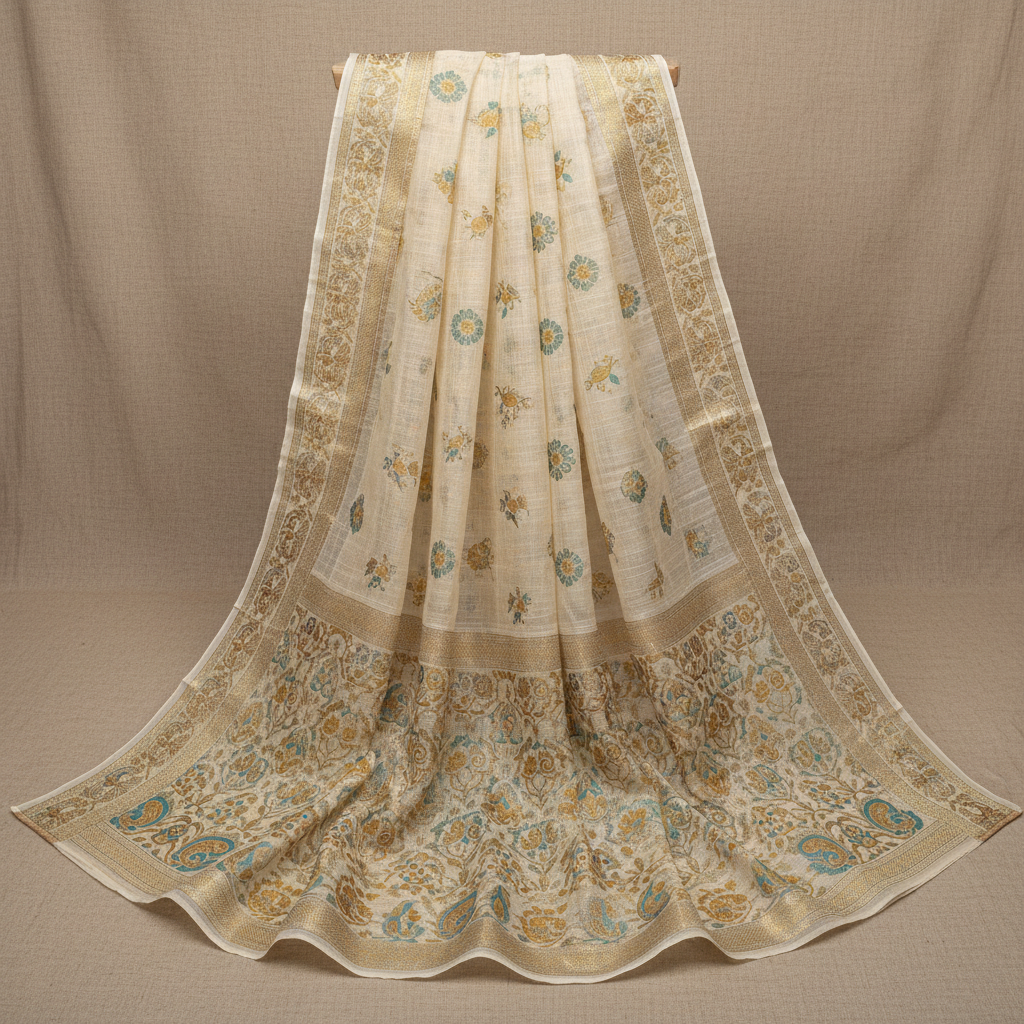
Dhakai Jamdani
"Motifs created thread by thread on the loom."
Every motif on this Jamdani was woven directly on the loom — not stitched, not printed. A tradition recognized as one of the world's finest handloom crafts.
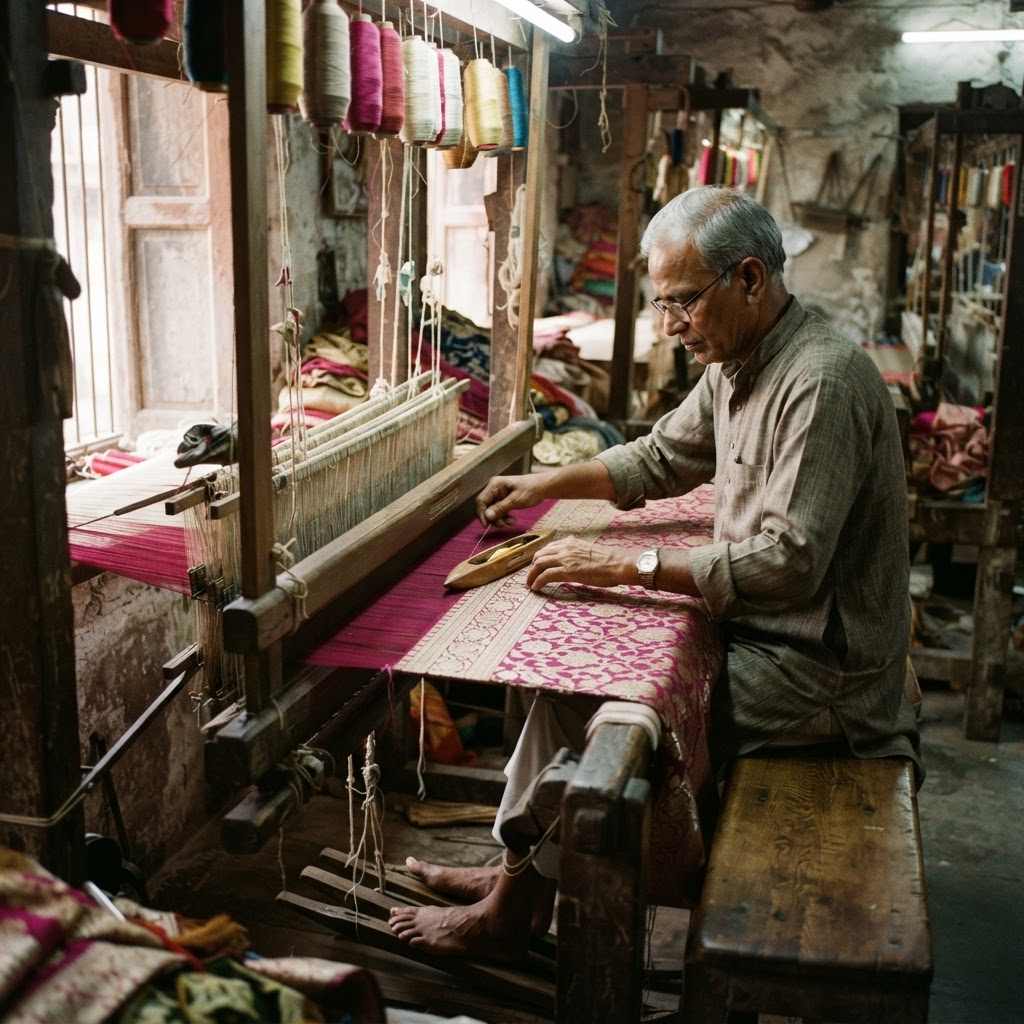
Banarasi
"The saree that says "I do.""
Some Banarasi sarees take months to weave by hand — a Mughal-era brocade tradition still alive today.
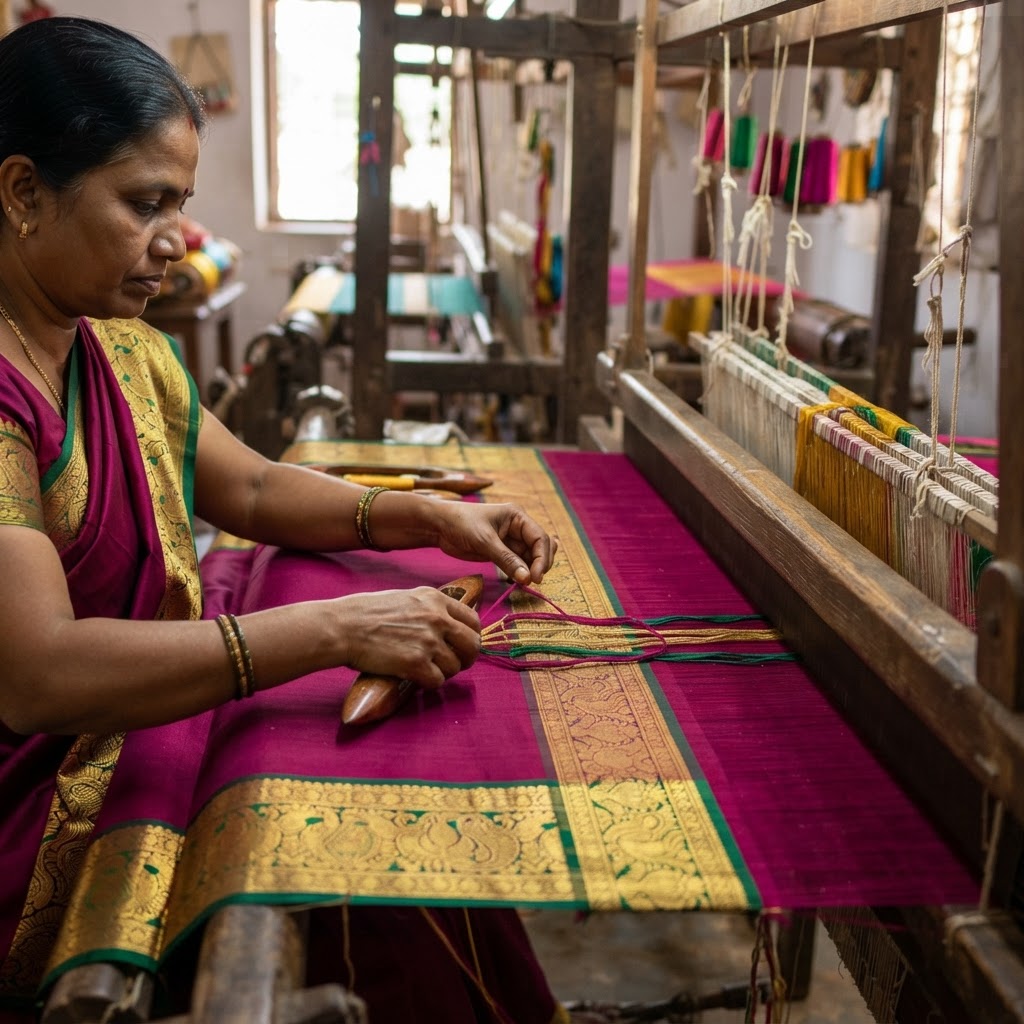
Kanchipuram
"A rite of passage in silk."
Kanchipuram's distinctive contrast borders are constructed using traditional interlocking techniques.
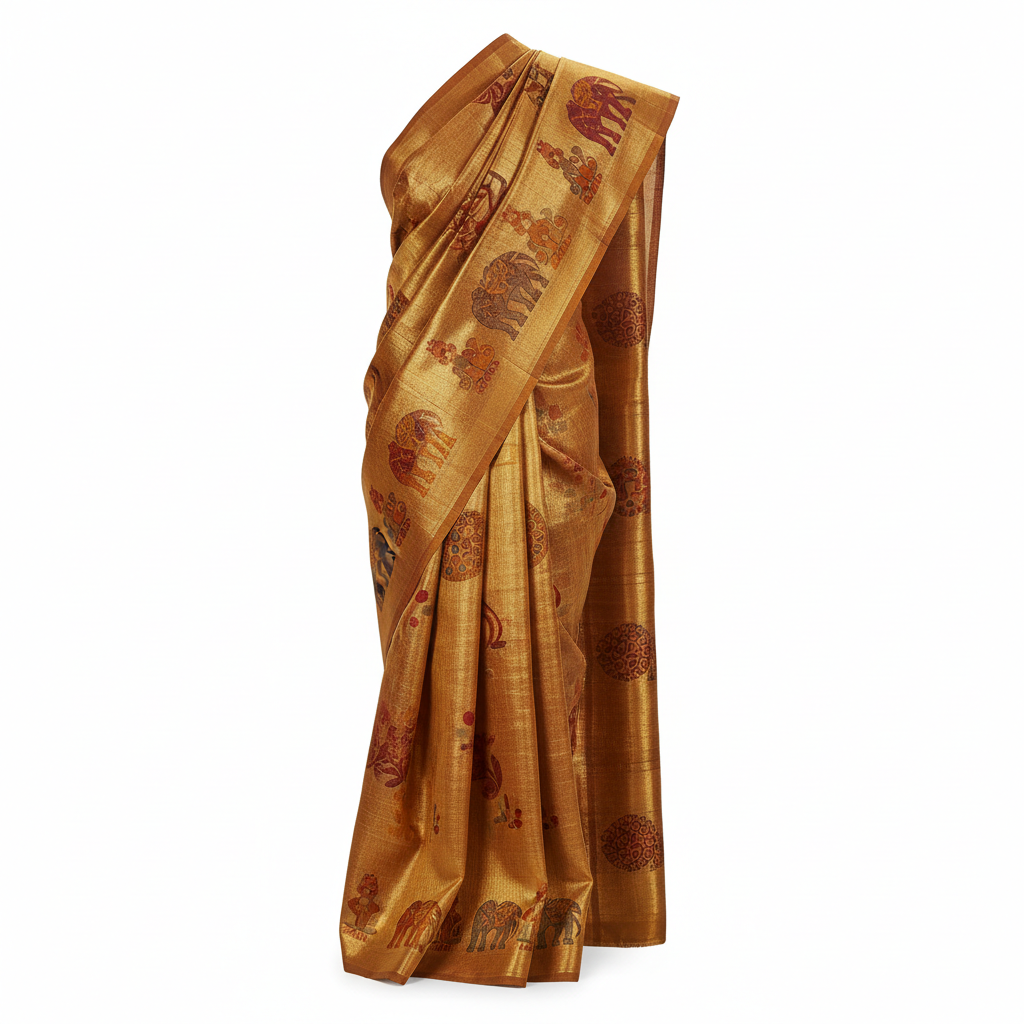
Assam Silk
"Gold that ages beautifully."
Muga silk is the golden signature of Assam, celebrated for its distinctive sheen and generations of regional textile heritage.
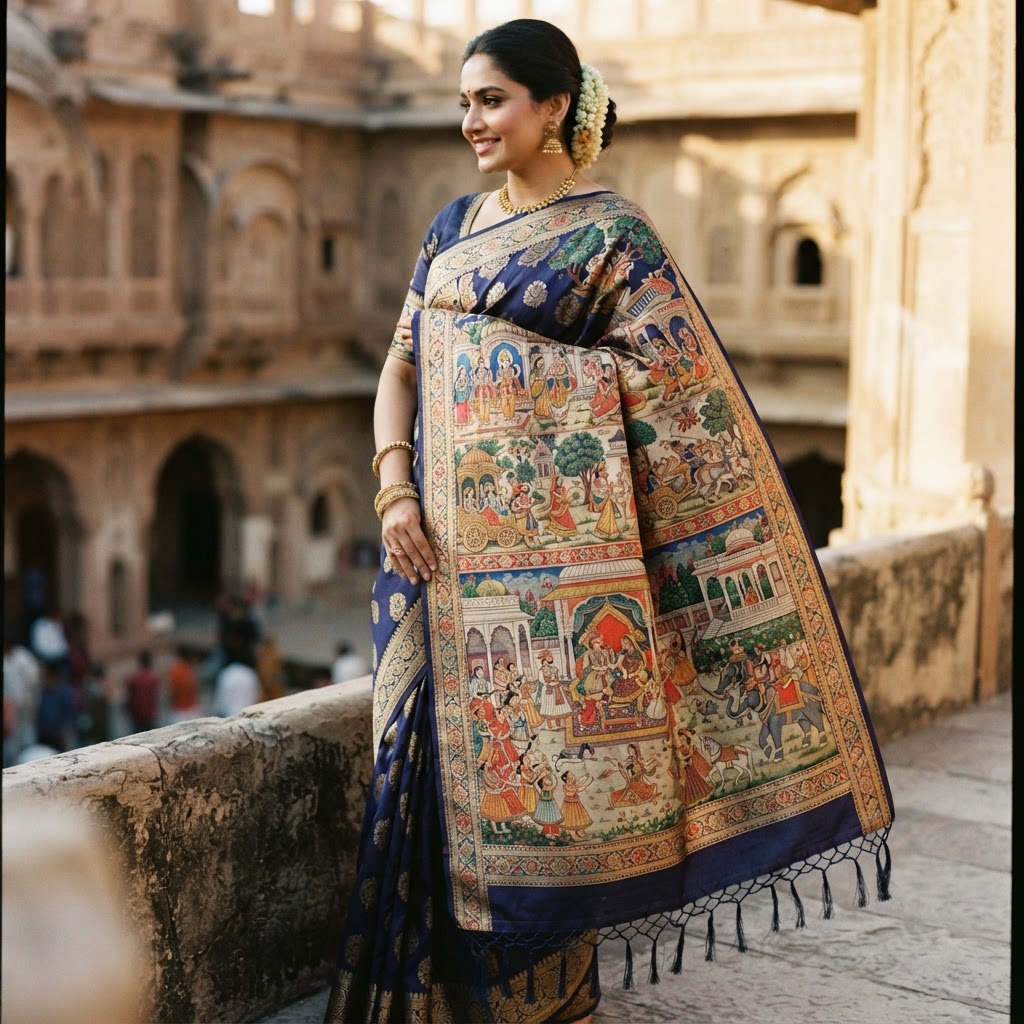
Baluchori
"A saree that tells a story."
This saree literally tells a story — its pallu is woven with scenes from mythology and courtly life.
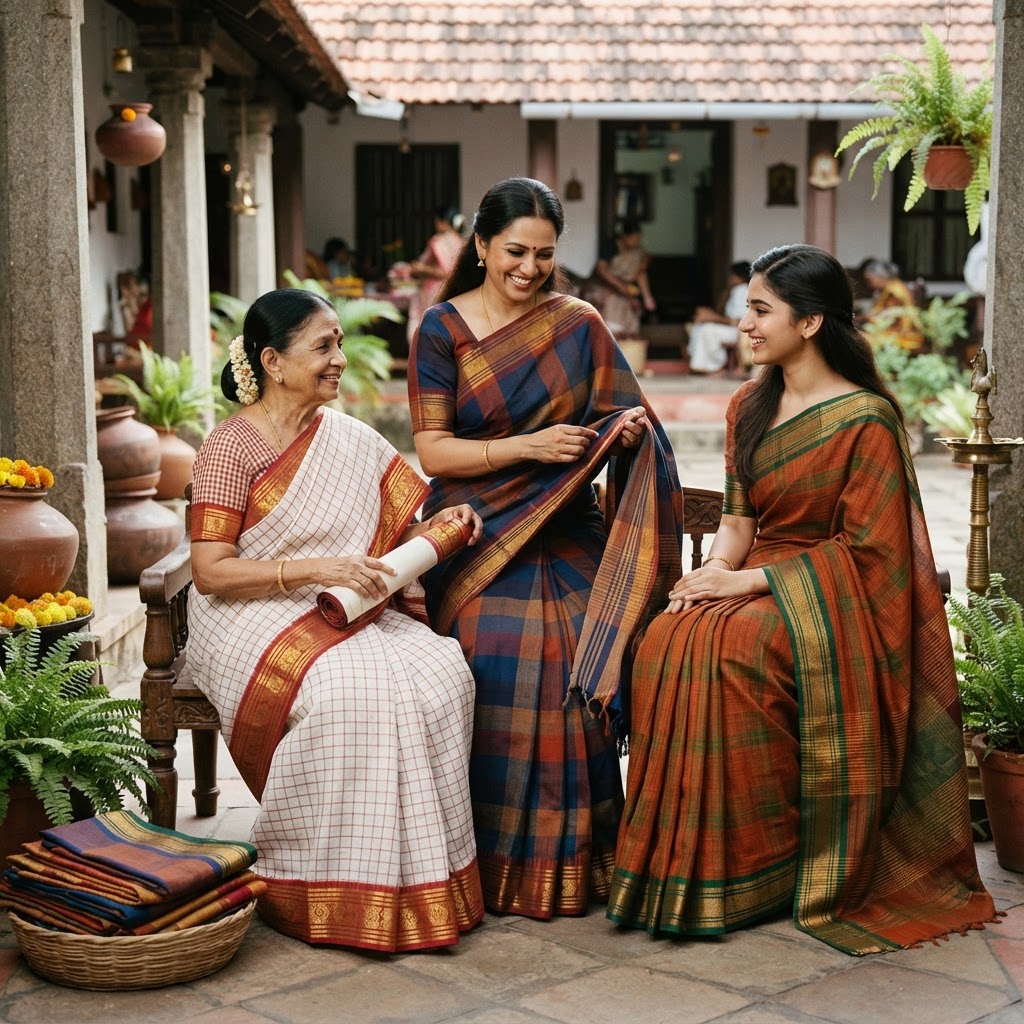
South Cotton
"The ultimate wear-it-to-work saree."
Handwoven checks, stripes and temple borders — South cotton has been keeping India cool and stylish for generations.
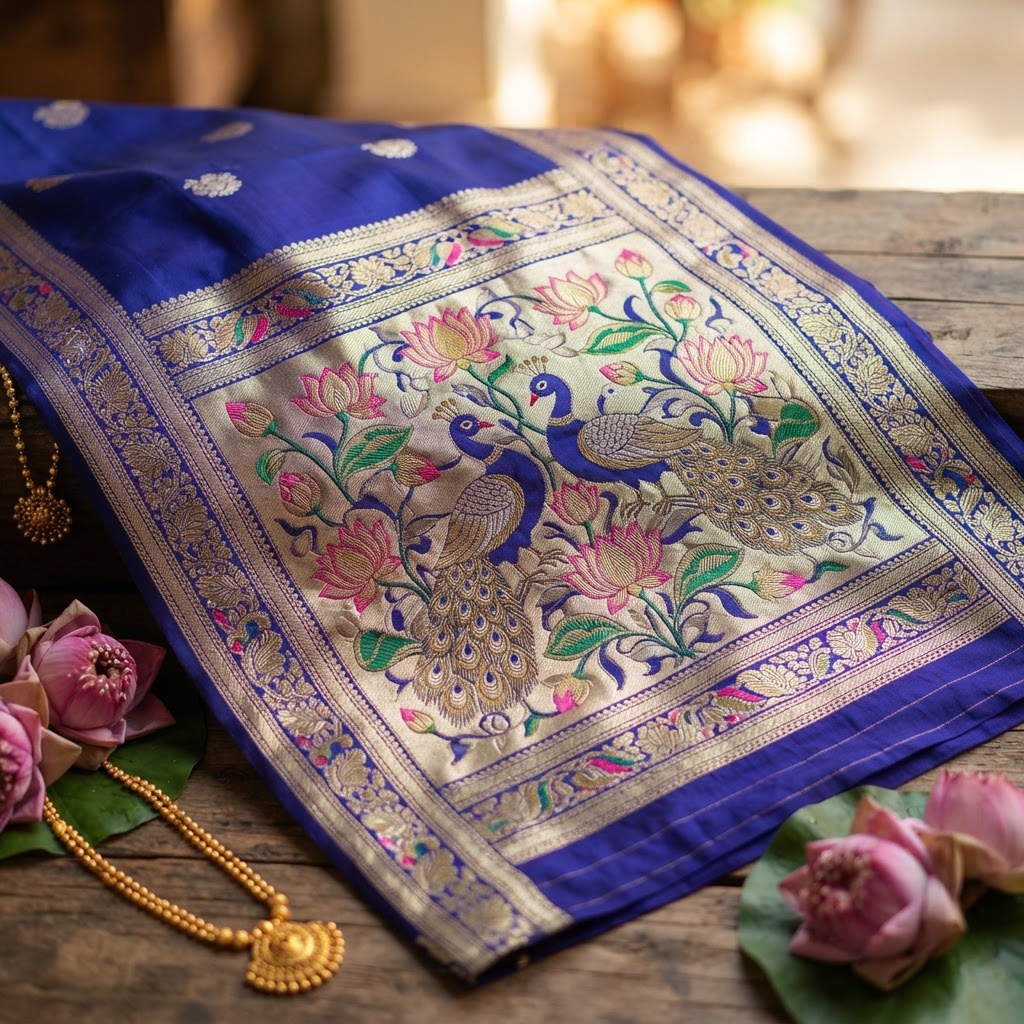
Paithani
"Peacocks, lotuses and rich zari."
Peacocks, lotuses and rich zari work — Paithani has long represented Maharashtra's extraordinary weaving heritage.
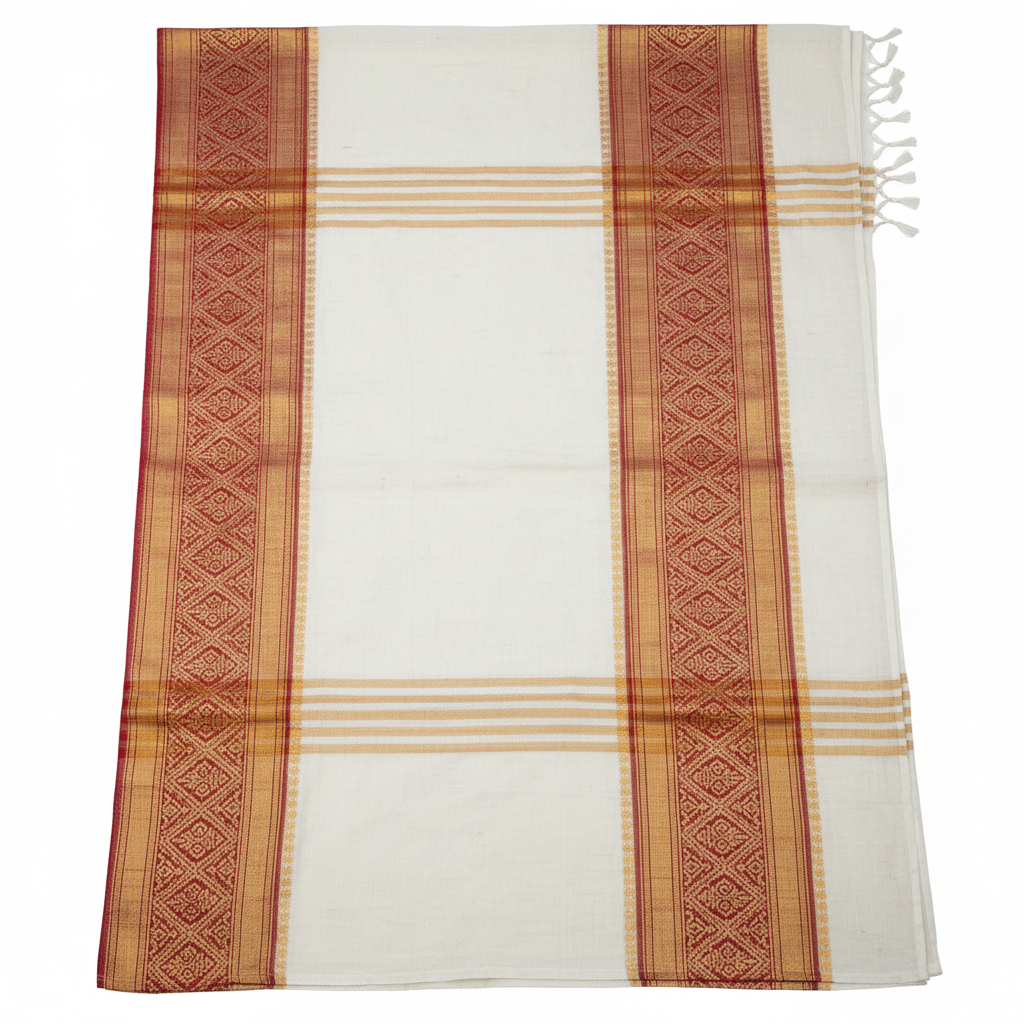
Bengal Tant
"Pujo mornings were made for Tant."
Crisp, starched and handwoven — Tant has been Bengal's everyday saree for generations.
Tussar Silk
"Effortless natural elegance."
Woven from wild silk, Tussar is naturally textured and celebrated for its distinctive character.
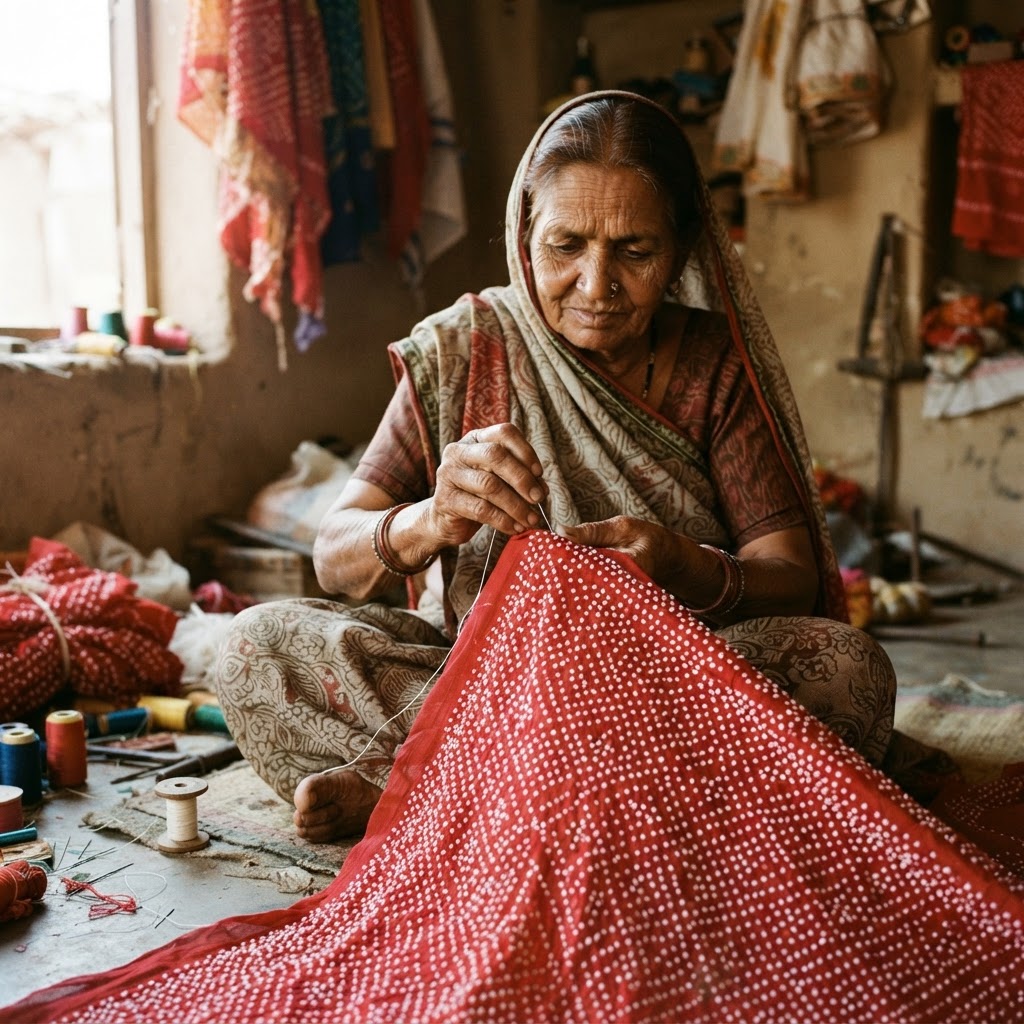
Bandhani / Leheriya
"Every dot, tied by hand."
Every single dot on traditional Bandhani is created through painstaking tie-and-dye craftsmanship.
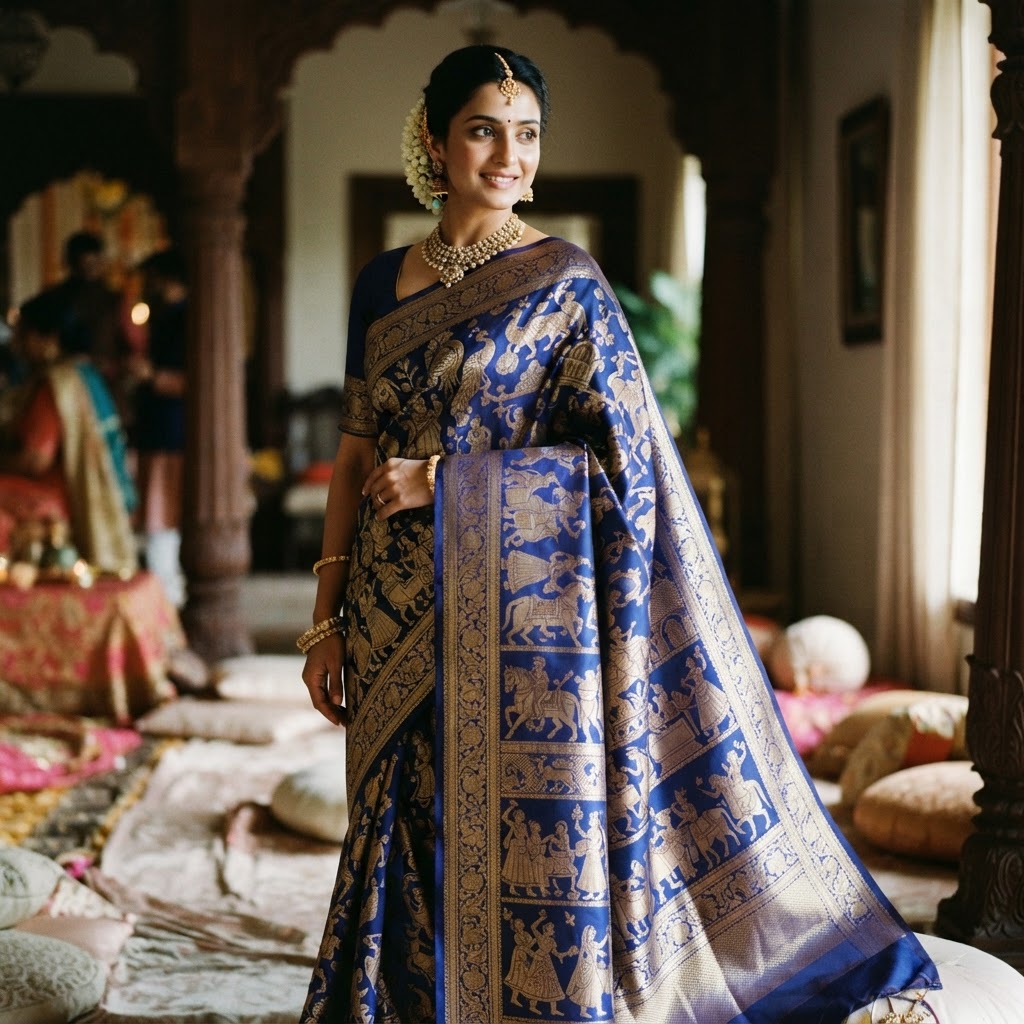
Swarnachari
"Storytelling laced with gold."
Baluchori's regal cousin — a storytelling weave laced with gold zari, reserved for your brightest occasions.